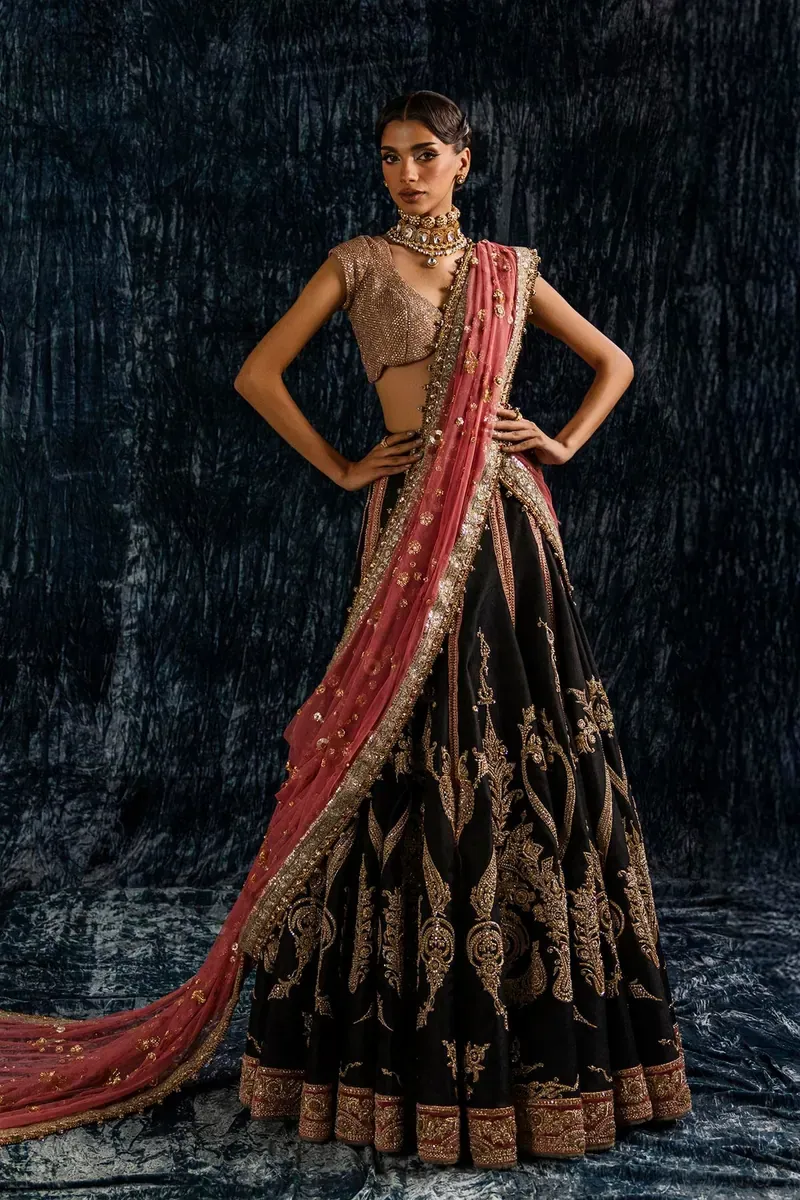
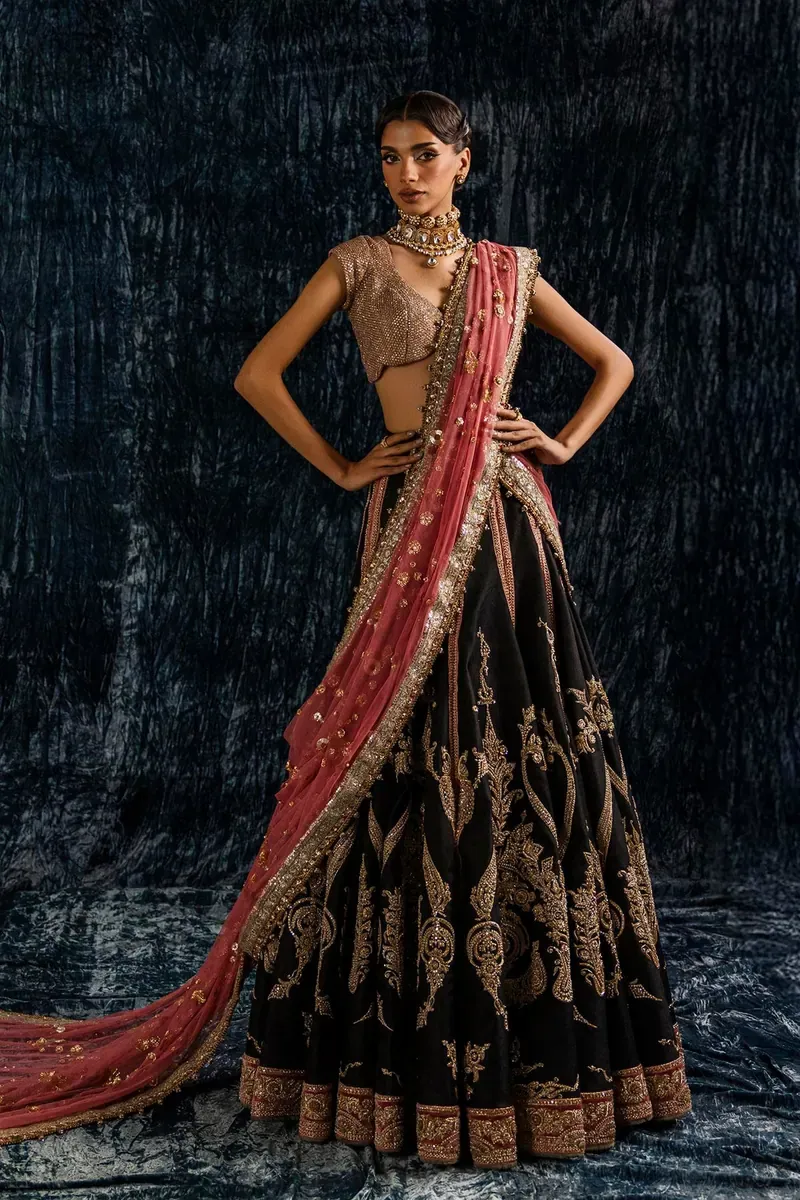
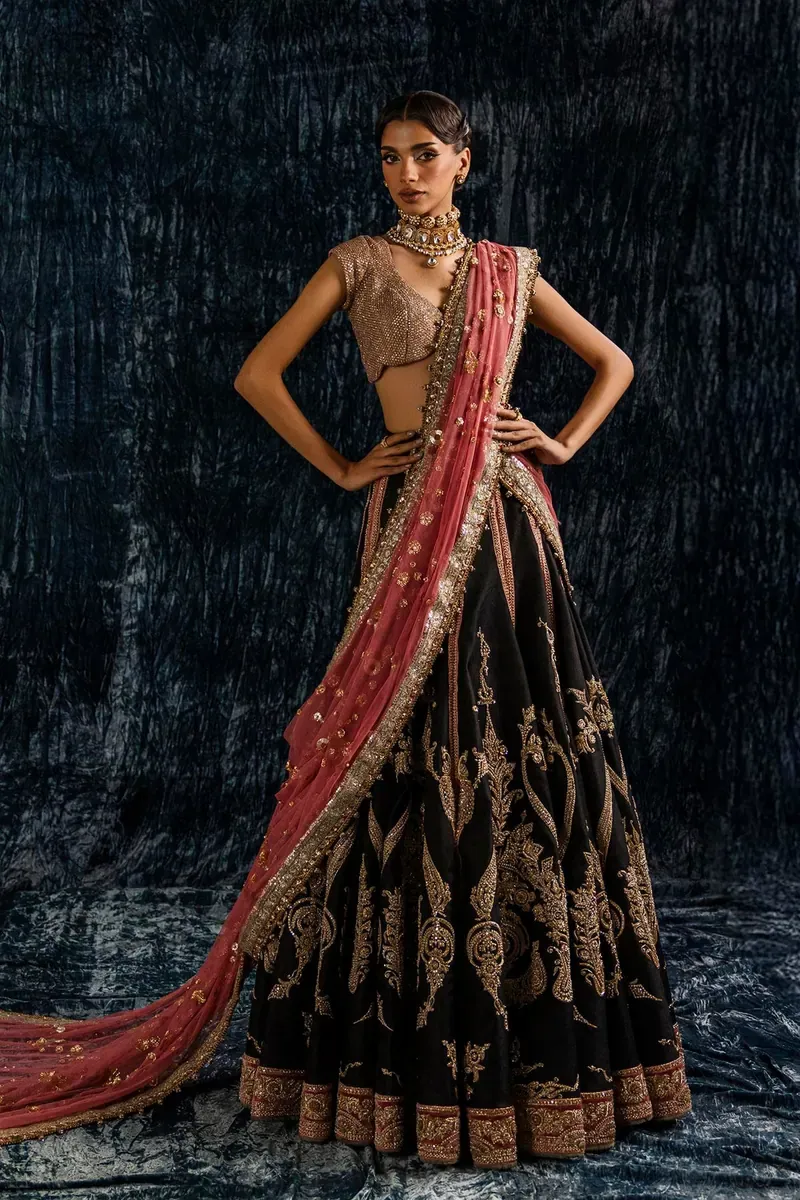
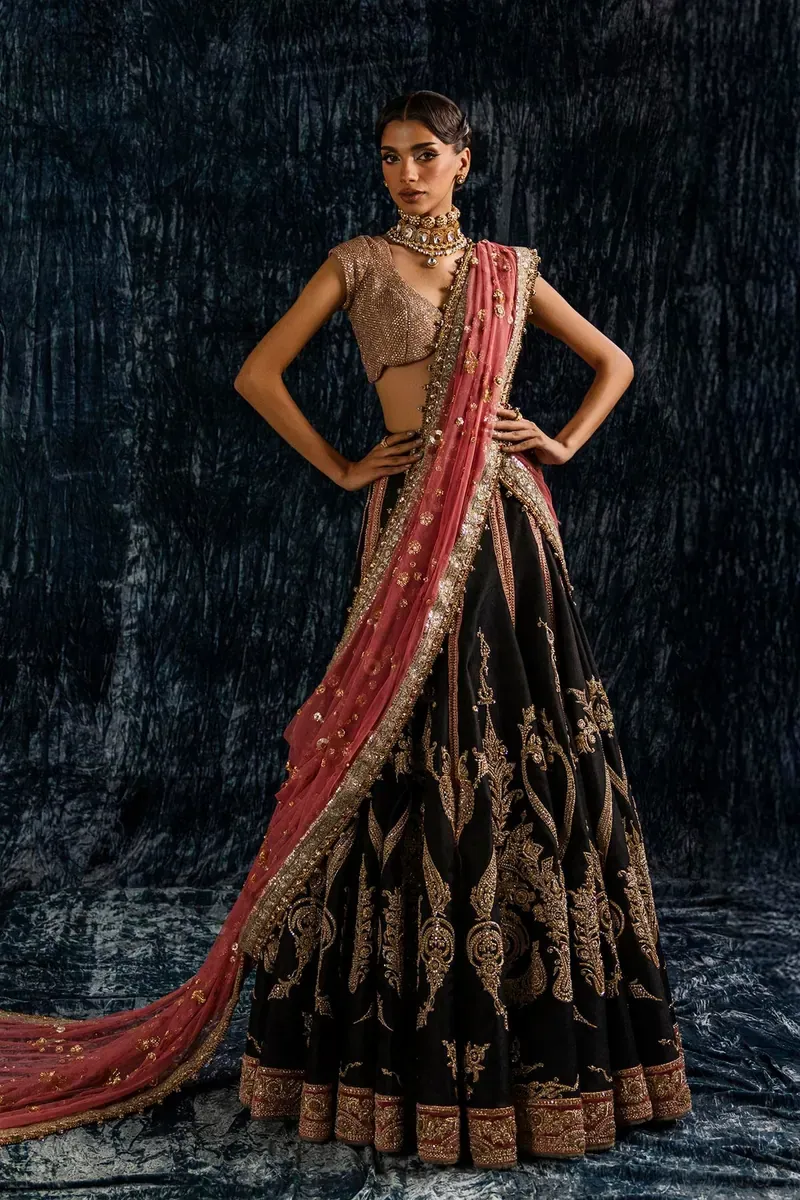
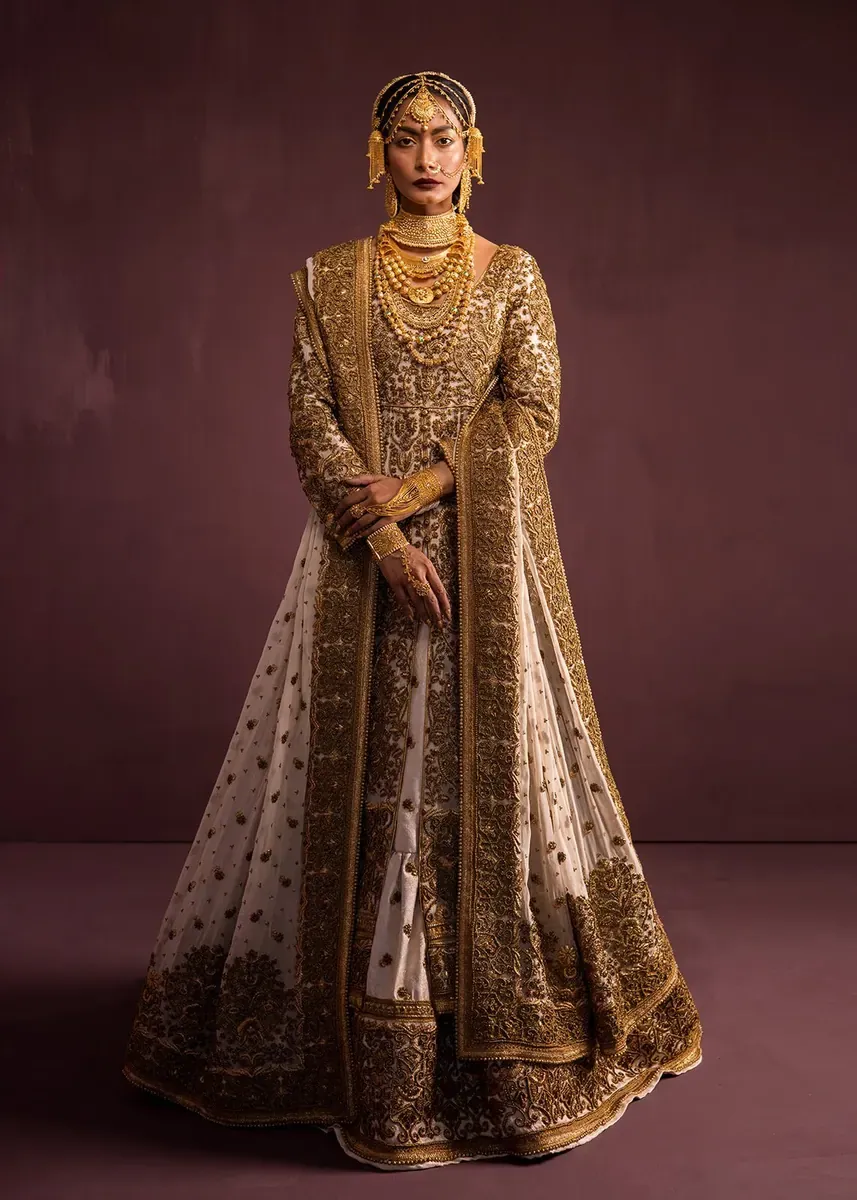
Bridal Dress Guide 2026: Barat, Walima and Mehndi Outfits With Prices
Bridal outfit styles and colours for every event, real bridal dress prices from Weddme listings, designer versus boutique, and a shopping timeline.
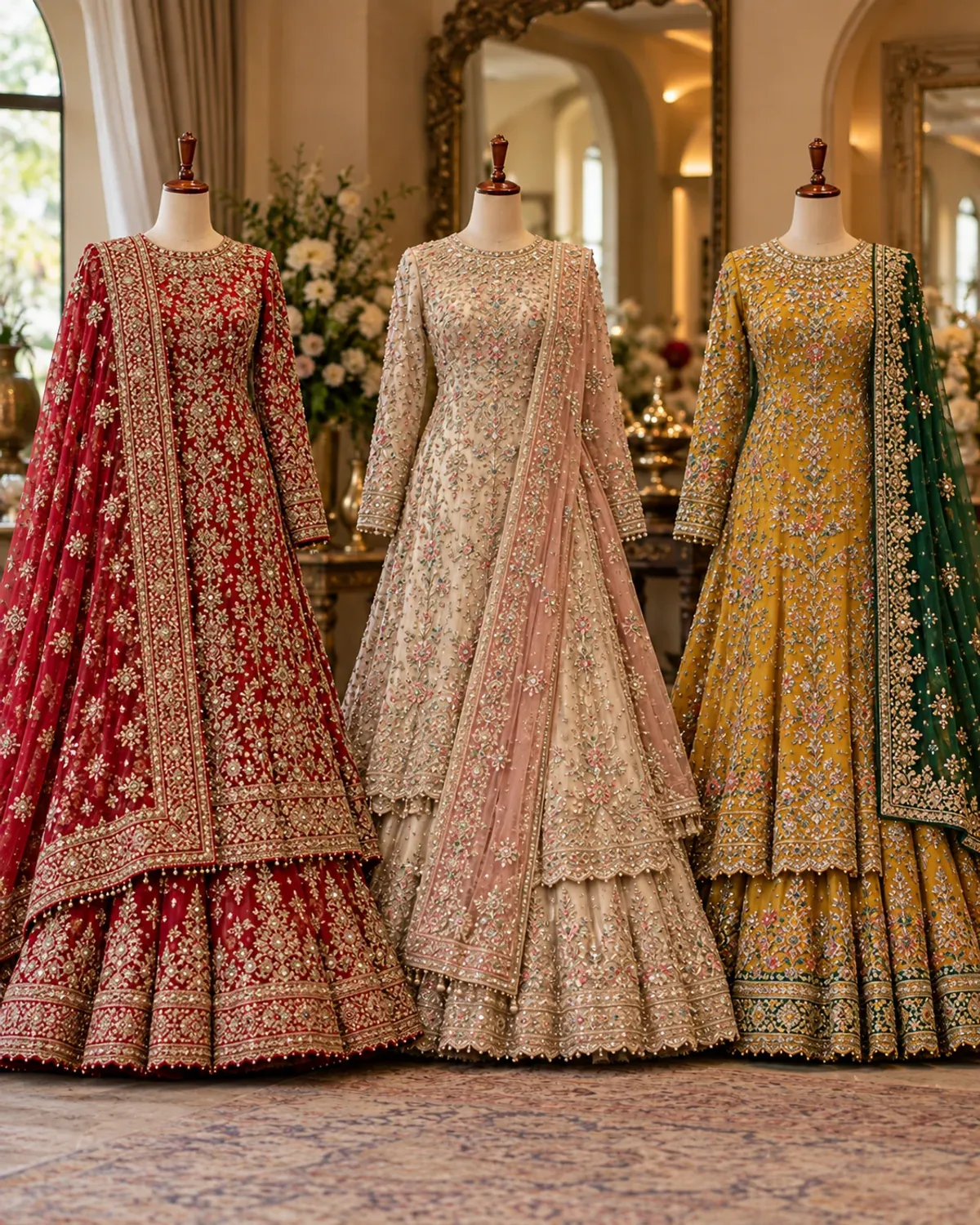
The bridal dress is the outfit every family remembers. Most brides wear three or more outfits across the wedding: something bright for the mehndi, a heavy outfit for the barat, and a lighter, elegant one for the walima. Weddme lists 1,017 bridal and formal wear businesses, from designer studios to local boutiques. This guide covers styles, real prices and how to plan your shopping.
Bridal outfits by event
| Event | Popular styles | Popular colours |
|---|---|---|
| Mehndi or mayun | Lehenga, gharara, sharara, short shirt with flared trousers | Yellow, green, orange, bright pink |
| Nikkah | Light lehenga, long shirt with dupatta | White, ivory, pastel |
| Barat | Heavy lehenga, gharara, embroidered peshwas | Red, maroon, deep pink |
| Walima | Maxi, gown, lehenga | Silver, gold, pastel, light pink |
Bridal dress prices on Weddme
We looked at bridal and formal outfits with published prices on Weddme. Here is what they show:
| Outfit type | Typical price range | Based on |
|---|---|---|
| Bridal lehengas, ghararas and bridal outfits | PKR 97,000 to PKR 500,000 | 61 outfits |
| Formal and party outfits for other events | PKR 18,000 to PKR 80,000 | 466 outfits |
The middle price for a bridal outfit is about PKR 255,000. Designer bridal wear from well known studios can cost far more, while local boutiques and tailors often cost less.
What decides the price
- Embroidery. Hand work such as zardozi, dabka and tilla takes many hours and costs more than machine work.
- Fabric. Raw silk, velvet, organza and net all cost differently, and heavier fabric needs more lining.
- Brand. Designer labels charge for their name and finishing.
- Customisation. Changing colours, adding work or making a custom size adds cost and time.
- Dupattas. A heavy double dupatta adds both weight and cost.
Designer, boutique or tailor?
| Option | Strengths | Things to watch |
|---|---|---|
| Designer studio | Finishing, fabric quality, brand name | High price, long waiting time |
| Boutique | Good balance of price and quality, more personal service | Quality varies, check past work |
| Local tailor with chosen fabric | Lowest cost, full control over design | Needs clear planning and more fittings |
A simple shopping timeline
- Four to six months before: set a budget, collect ideas and visit shops.
- Three to four months before: order the barat outfit, because heavy work takes time.
- Two months before: order the mehndi and walima outfits and plan the jewellery.
- Three to four weeks before: final fittings, with your shoes on.
- One week before: collect all outfits and try them once more.
Questions to ask the shop
- When will the outfit be ready, and how many fittings are included?
- Is the work done by hand or machine?
- Can we see the actual fabric and a finished sample?
- What is the advance, and what happens if the outfit is late?
- Are alterations after delivery free?
Choosing colours that suit you
Red and maroon are classic for the barat, but they are not the only choice. Deep pink, wine, emerald and even gold are popular now. Try colours against your skin in daylight, not only under shop lights. Warm skin tones often glow in reds, golds and oranges, while cooler tones may suit pinks, wine and silver. Take photos with your phone in different light before you decide.
A short fabric guide
| Fabric | Feel | Best season |
|---|---|---|
| Velvet | Rich and heavy | Winter weddings |
| Raw silk | Structured with a soft shine | Most seasons |
| Organza and net | Light and airy | Warmer months and walima |
| Chiffon | Soft and flowing | Mehndi and walima |
Plan the dupatta and jewellery together
A heavy dupatta changes how jewellery sits and how the outfit photographs. Decide early whether you will wear one dupatta or two, and how it will be set on your head. Share outfit photos with your jeweller so the necklace, tikka and jhumkay match the neckline and colours. Ask your makeup artist to practise the dupatta setting at the trial.
Mistakes to avoid
- Ordering the barat outfit too late for proper fittings
- Choosing an outfit too heavy to sit or walk in for hours
- Skipping the final fitting with your shoes on
- Paying in full before seeing the finished work
- Forgetting comfortable shoes for the long evening
After the wedding
Have the outfit dry cleaned by someone who handles embroidery, then store it flat or folded in a soft cloth bag with a few neem leaves or silica packets. Avoid plastic covers, which can trap moisture. A well kept outfit can be worn again with a lighter dupatta at family weddings.
Shopping with family
Bridal shopping is a family event, and too many opinions can make it harder. Take two or three people whose taste you trust, and decide together before the first visit what matters most, such as colour, weight, budget or brand. Take photos of every outfit you like, with the shop name and price, so you can compare them calmly at home.
Questions about delivery and fittings
- How many fittings are included, and when?
- Who handles changes after the final fitting?
- Will the outfit be delivered in a proper cover?
- Can someone else collect it if you cannot?
- What happens if the outfit is not ready on the promised date?
Write the delivery date on the receipt. A clear date protects you more than any verbal promise, especially in the busy wedding months.
Comfort on a long day
Bridal events last many hours, often with heat, lights and crowds. Before you choose, ask to wear the outfit or a similar one for a few minutes, sit down, walk and lift your arms. A lehenga that is too heavy or too tight looks lovely in photos but can make the day hard. Ask the shop to add soft lining where the embroidery touches your skin, and make sure the waistband is secure without pressing too hard. Choose shoes with a comfortable heel height, and keep a pair of flat shoes nearby for the end of the night.
Plan the full look
Your outfit, bridal jewellery and makeup should work together. Share outfit photos with your makeup artist and jeweller. Our bridal makeup price guide and the buy or rent guide help you plan the rest. Compare bridal wear in Lahore and Karachi.
Weddme also helps families find the right match first. Browse rishta profiles in Lahore, profiles with a master's degree or profiles aged 25 to 30. Our marriage age research shows when families in Pakistan usually plan weddings.
Helpful answers from this guide
How many outfits does a Pakistani bride need?
Usually three or more: one for the mehndi or mayun, a heavy outfit for the barat, and a lighter one for the walima, plus one for the nikkah if it is a separate event.
When should we order the barat dress?
Three to four months before the wedding, because heavy hand embroidery and fittings take time.
What makes bridal dresses expensive?
Hand embroidery, fabric, brand name, customisation and heavy dupattas decide most of the price.
Find the right rishta on Weddme
If your family is still looking for a match, Weddme runs a direct, family-to-family rishta search. Start with your city, or narrow the search by profession, education or age.
Plan the wedding and the match in one place.
Compare wedding vendors by city and category, and keep your family's rishta search moving on Weddme at the same time.